



FRP Walkway Grating: Designing Safer Industrial Platforms
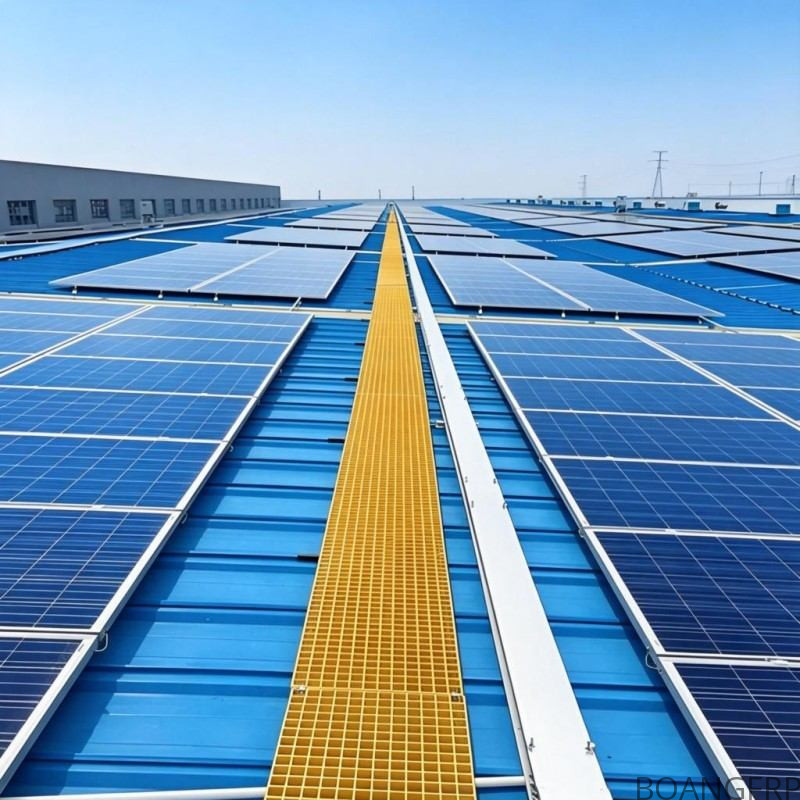
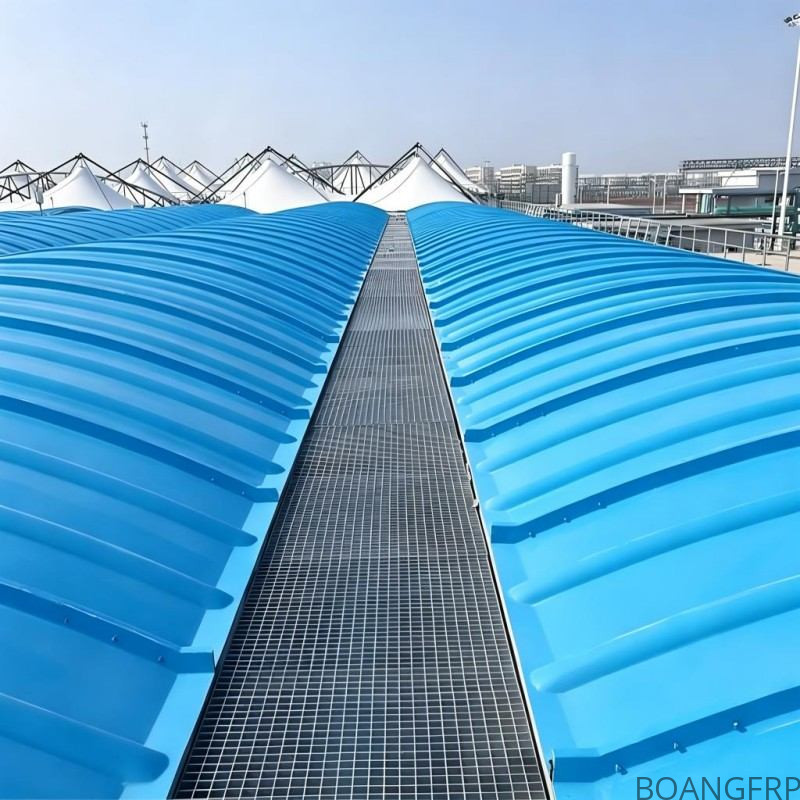
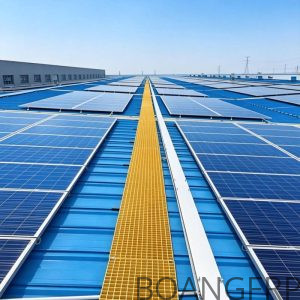
In an industrial plant, a walkway is not just a place to step. It is a safety system. If it fails, workers get hurt, and production stops. When engineers specify FRP walkway grating, they are looking for something that will not rust, will not lose its grip under oil, and can be installed without heavy lifting equipment.
This article looks at fiberglass walkway grating from an engineering and safety perspective. It explains how to choose the right panel for your specific site conditions.
Why Choose FRP for Walkways?
Steel grating is the traditional choice for walkways. But in chemical plants, wastewater treatment facilities, and offshore platforms, steel has a major weakness: corrosion. Once it rusts, the structural integrity drops, and the anti-slip surface disappears.
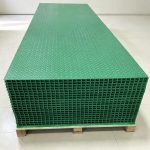
Fiberglass walkway grating solves this. It uses glass fibers and thermoset resin, meaning it will never rust. You do not need to sandblast or repaint it. It also weighs about one-third as much as steel. A single worker can often handle a standard panel, which drastically reduces installation time and site safety risks.

Slip Resistance: The Most Important Safety Feature
A walkway is only safe if workers can maintain their footing. FRP walkway grating offers two main surface options:
-
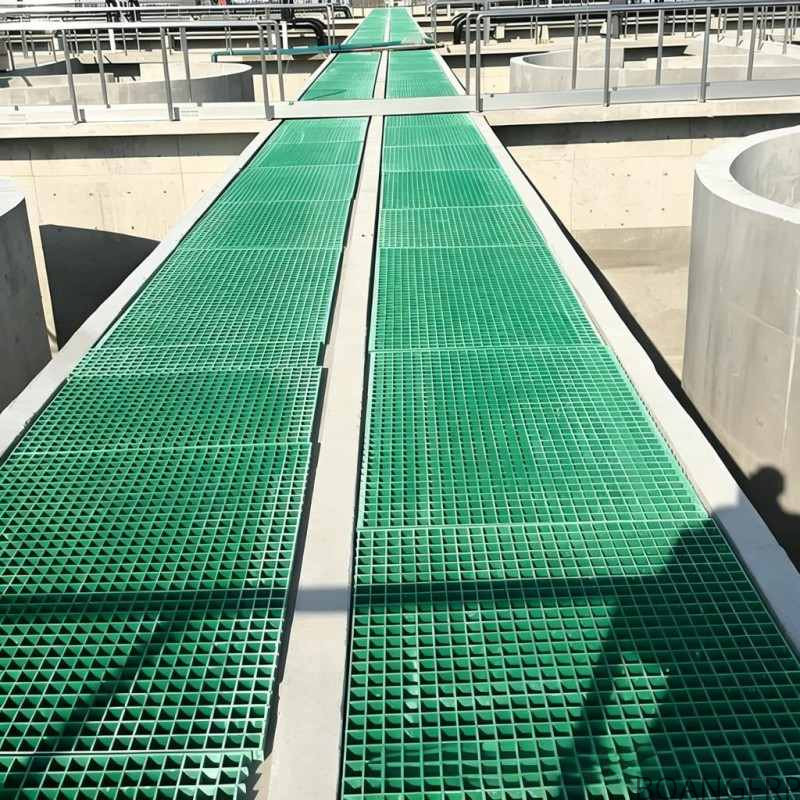
Concave (Meniscus) Surface: This is the standard for most molded grating. It provides a natural anti-slip texture.
-
Grit Surface: For ramps, chemical spill zones, or areas exposed to heavy oil and grease, a grit top is essential. Abrasive grit is bonded directly into the top surface during manufacturing. It will not peel off.
If your walkway is outdoors or in a wet environment, always specify a grit surface. It is a small cost increase that makes a massive difference in worker safety.
Understanding Span and Deflection
You cannot simply lay grating across any two beams. You need to consider deflection. If a walkway panel bends too much under a worker’s foot, it feels unsafe and can cause fatigue. Worse, excessive deflection can lead to structural failure.
The maximum recommended deflection for pedestrian walkways is usually 1/100 or 1/120 of the support span, depending on your local building codes.
When you order FRP walkway grating, provide your supplier with the exact clear span between beams. For example, a 38mm thick molded grating may safely span 900mm, but it will sag if the span is 1200mm. Do not guess. Always ask for a load and deflection table.

Installation Details for a Secure Walkway
Correct installation is just as critical as the grating itself.
-
Supports: Ensure the panels have a minimum bearing of 40–50mm on all load-bearing beams.
-
Fasteners: Use M-clip hold-down clips. A minimum of four clips per panel is standard, but larger panels need six or eight. These clips allow the grating to expand and contract with temperature changes.
-
Cut Edges: If the grating is cut on-site, all exposed raw edges must be sealed with resin. If left unsealed, moisture will wick into the glass fibers.
-
Toe Boards: For elevated platforms, consider FRP toe boards to prevent tools from falling and endangering workers below.
Why Buyers Partner with BOANG
BOANG supplies FRP walkway grating to industrial buyers who cannot afford downtime. We manufacture molded and pultruded panels with standard concave surfaces or heavy-duty grit tops.
We offer vinyl ester resin systems for aggressive chemical exposure, and isophthalic resin for general duty. Every shipment can include material certificates, load test data, and inspection reports to satisfy your engineering team.
We understand that every site is different. Send us your walkway drawings, the chemical environment, and your span requirements. Our team will run the load calculations and quote a factory-direct price within 24 hours.
Need a practical recommendation for your platform? Contact BOANG today. We will tell you exactly which fiberglass walkway grating fits your project.