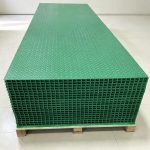


Product Advantages:
Lightweight, High Strength, Corrosion Resistant And DurableUse:
FRP flooring, stair treads, fiberglass grates deckingSurface treatment:
Concave, Smooth, Gritted, Flat top, Diamond top, Gritted top, etc.Color:
Yellow, Red, Orange, Blue, Green, Grey, etc. can be cutomizedSize:
25/30/38/50/65mm, etc. can be customizedMaterial:
Fiberglass + Resin baseType:
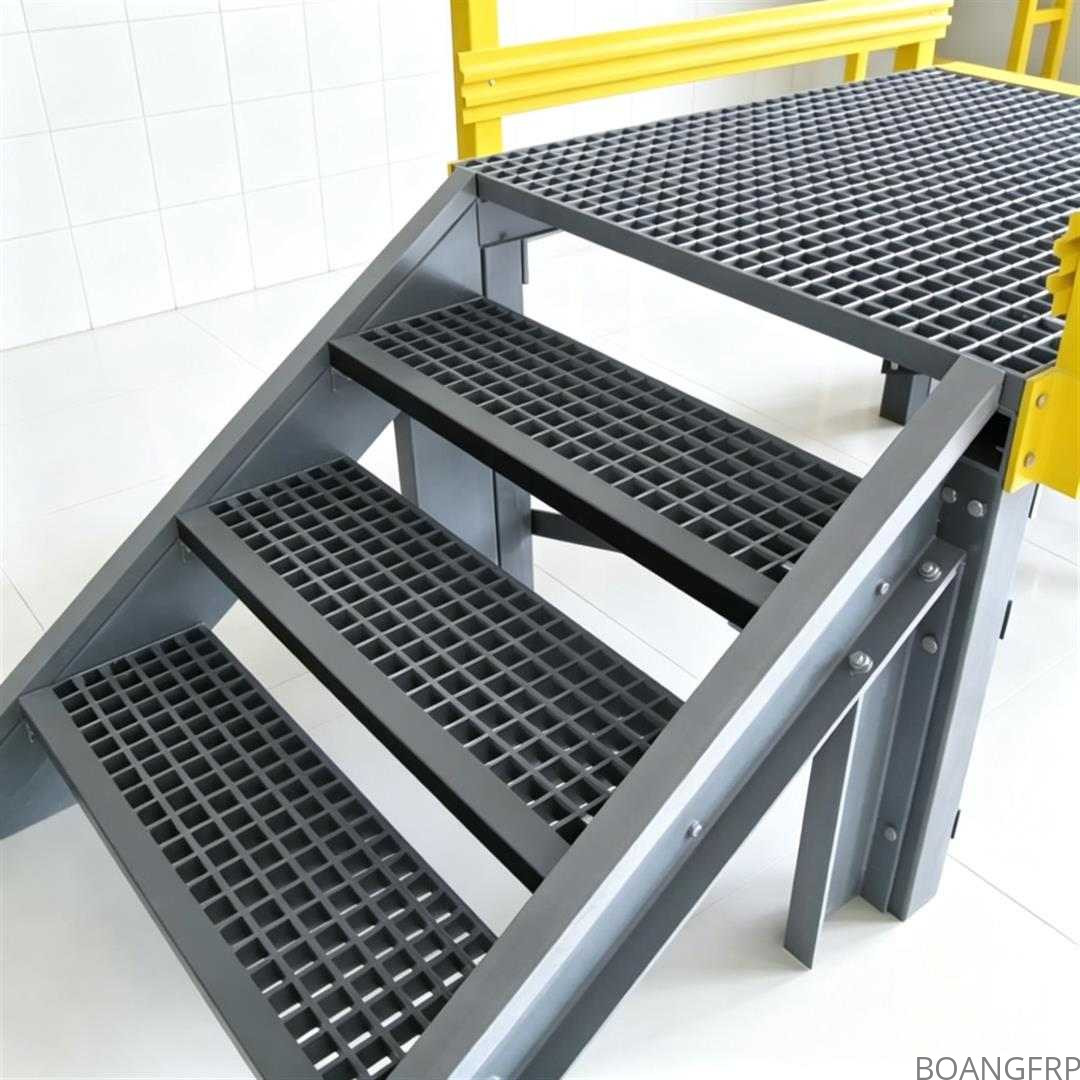
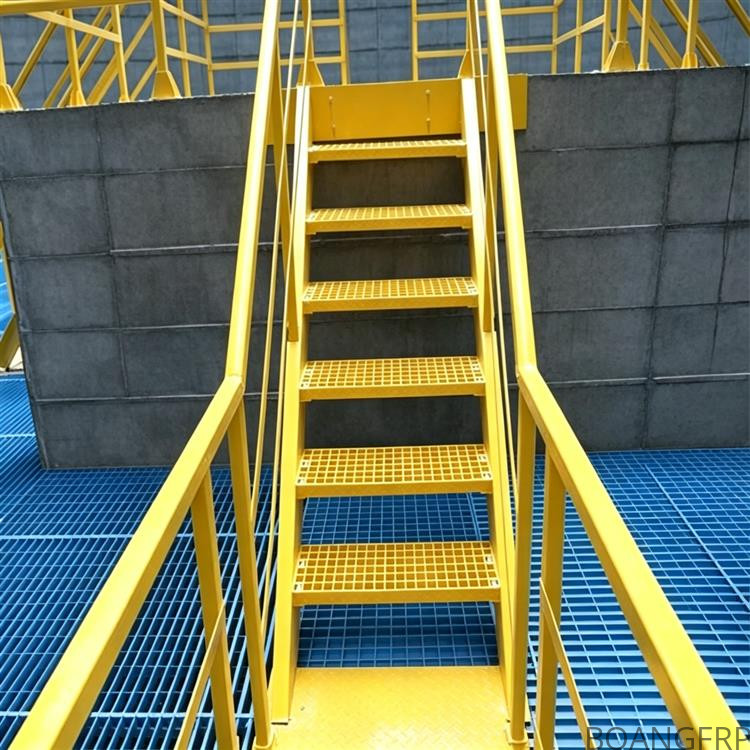
FRP Molded gratingStairways are often the most dangerous part of an industrial facility. When workers are carrying tools or dealing with wet, oily boots, a single slip can cause a serious fall. Steel stairs rust, and once the tread pattern wears down, they become a hazard. That is why many safety managers are switching to FRP stair treads.
Unlike standard walkway grating, a stair tread is a highly engineered component. It must handle dynamic foot traffic, provide maximum traction, and fit perfectly into the stair stringers. This article covers how to specify fibergrate stair treads correctly, from surface texture to fixing methods, so you can upgrade your plant’s safety without overcomplicating the budget.
FRP stair treads are manufactured using glass fiber and thermoset resin. They offer two immediate advantages over traditional steel treads:
Zero Corrosion: FRP Grating will never rust, even in chemical plants or coastal environments. You do not need to sandblast or repaint them.
Lightweight Handling: A standard FRP tread is about one-third the weight of a steel tread. This makes them much easier for your maintenance team to handle during installation or replacement, reducing site safety risks.
Safety is the main reason buyers look for fibergrate stair treads. You cannot rely on standard open flooring in a stairwell.
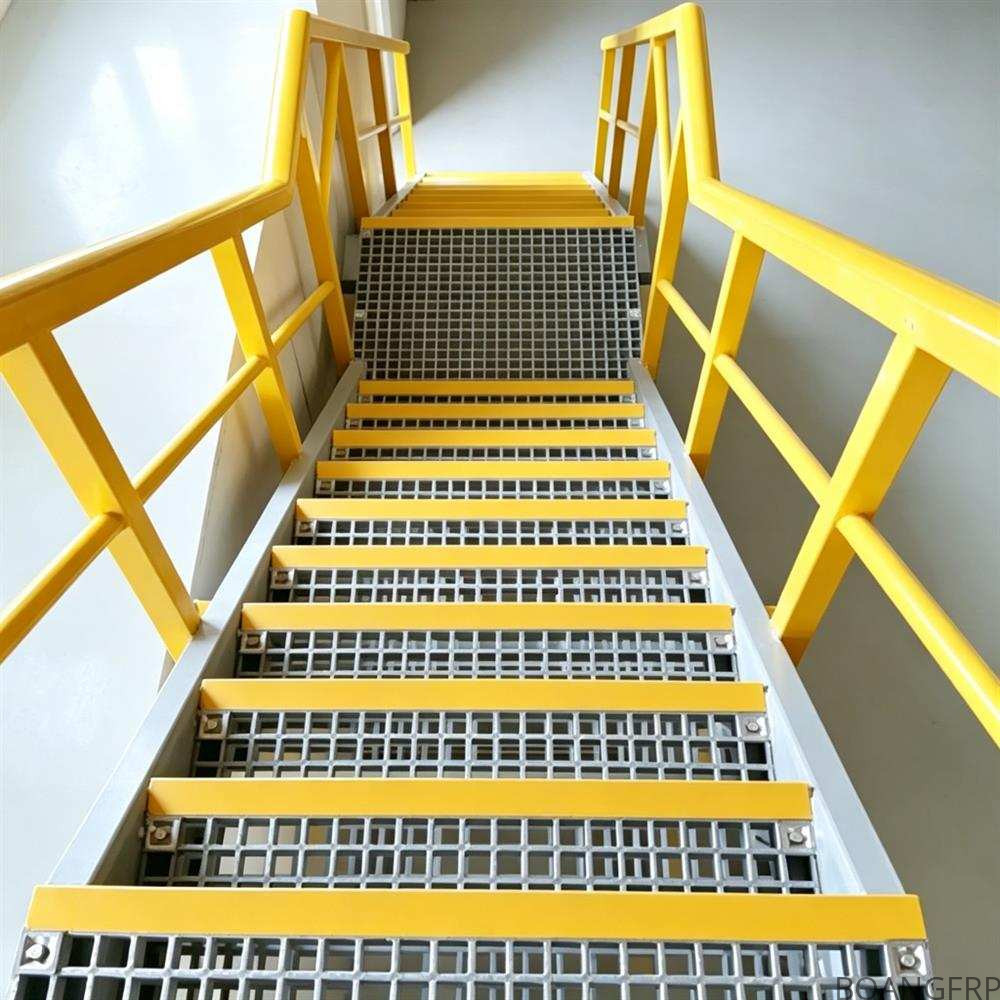
Most FRP treads use a concave (meniscus) surface, which provides basic slip resistance. However, for stairs, grit surfaces are highly recommended. Abrasive grit is embedded directly into the top resin layer during manufacturing. It acts like sandpaper under a worker’s boot, providing reliable traction even in rain, oil, or chemical spills. Because the grit is molded in, it will not peel off or wear away easily.
Additionally, specifying high-visibility safety colors—such as safety yellow or bright green—helps workers clearly see the edge of each step, reducing tripping hazards.

Sizing a stair tread requires more attention than just measuring the gap. You need to consider the depth and the front edge.
Depth: Standard stair treads are usually 235 mm or 305 mm deep, depending on your stair design.
Nosing: For added safety, specify a tread with an integrated nosing (a slightly raised or curved front edge). This prevents boots from catching on the riser and provides a clear visual cue for the step edge.
How you attach the tread to the stringer is critical for long-term durability.
Heavy-duty Bolts: Often used for heavy traffic areas. However, you must use oversized clearance holes.
Stair Tread Clips: These clamp the tread to the stringer without drilling through the walking surface.
A crucial engineering tip: FRP expands and contracts with temperature changes. When using bolts or clips, always leave a slight clearance gap to allow for this movement. If the tread is bolted too tightly without room to expand, it may crack in extreme heat or cold.

When your team cuts or drills FRP treads on-site, they expose raw glass fibers. Moisture and chemicals can wick into these fibers and weaken the tread. Always use a resin sealant on any cut edges or drilled holes. It takes two minutes but can significantly extend the lifespan of the tread.
BOANG manufactures FRP stair treads and fibergrate stair treads for industrial clients worldwide. We produce standard panels and custom treads with grit surfaces, concave tops, and standard safety colors.
We know that stairwells are high-risk areas. That is why every order can include material certificates, load test data, and detailed installation drawings to help your maintenance team get it right the first time.
If you are upgrading a stairwell, send us your step dimensions, the fixing method you prefer, and your environmental conditions. Our team will recommend the right specification and provide a factory-direct quote within 24 hours.
Need to make your stairs safer? Contact BOANG today with your requirements.

The FRP pultruded tubes produced by our company include square tubes, rectangular tubes, round tubes, etc. We can also customize other special-shaped tubes acc…
Read More
FRP ladder is made of FRP pultruded profiles through assembly process. It has the characteristics of light weight, high strength, easy installation, corrosion …
Read More
Fiber reinforced plastic panels are made by pultrusion process. We can customize various specifications and colors according to customer requirements.
Read More
The FRP guardrail system is assembled with FRP pultruded profiles and has the characteristics of light weight, high strength, corrosion resistance, easy instal…
Read More
Choosing the Right FRP Cable Tray Manufacturer for Your Project Sourcing materials for an industrial project is rarely just about finding the lowest price.…
Read More
Fiberglass round rod is a kind of FRP rod made by pultrusion process. We can make various specifications according to customer requirements.
Read More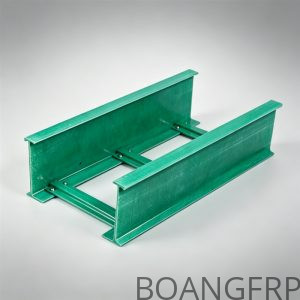
& GRP Cable Ladder: Heavy-Duty Cable Support When routing heavy power cables across a plant, engineers often face a structural dilemma. Standard cable tray…
Read More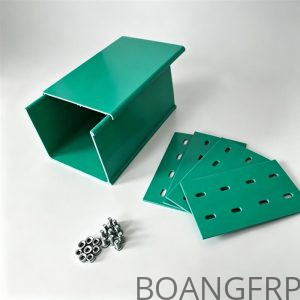
FRP cable trays are mainly used to support and protect cables. The main styles are trough type, ladder type and perforated type.
Read MoreIf you are interested in our products and want to know more details, please leave a message here, we will reply you as soon as we can.